This article is for informational purposes only and is not a substitute for professional veterinary care.
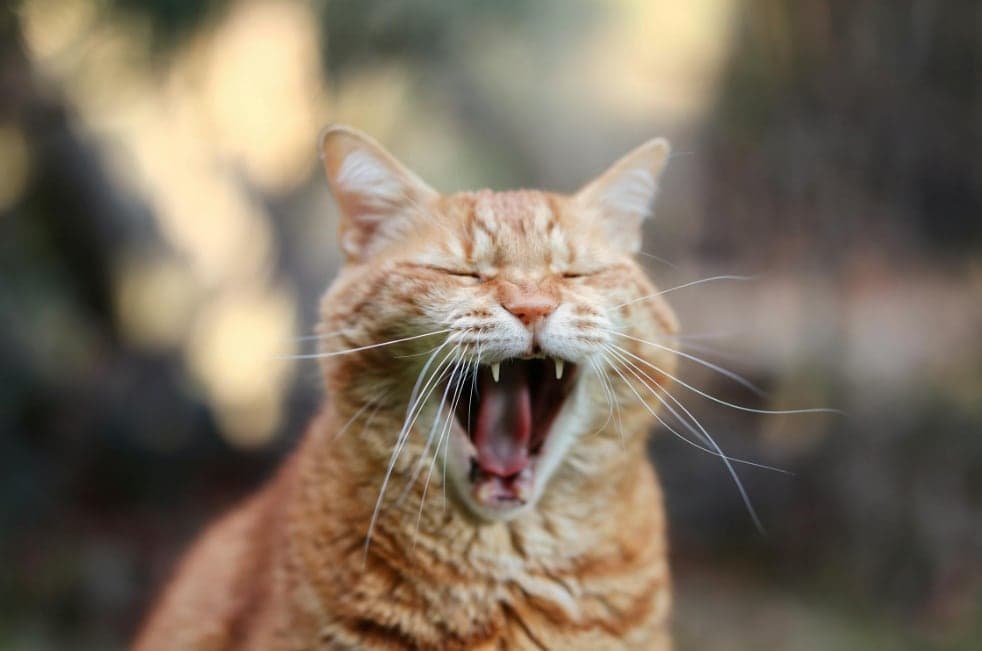
You love your cat’s quiet purrs and gentle headbutts—but lately, something sounds off. Frequent sneezing. At first it’s easy to dismiss. When it keeps happening, concern naturally sets in.
Sneezing can be harmless, but it can also signal an underlying medical issue that deserves attention. Understanding the most common causes helps you know when to monitor and when to call your veterinarian.
Below are seven medically recognized reasons cats experience persistent or repeated sneezing episodes—and when further evaluation matters.
1. Common Cold or Upper Respiratory Infection
1. Upper Respiratory Infection (Feline “Cold”)
Upper respiratory infections (URIs) are one of the most common causes of persistent sneezing in cats. According to PetMD and the Merck Veterinary Manual, up to 90% of feline URIs are viral, most commonly caused by feline herpesvirus (FHV-1) or feline calicivirus.
Common clinical signs include:
Repeated sneezing and nasal congestion
Watery or crusty eyes
Reduced appetite or low energy
A veterinarian can determine whether supportive care alone is appropriate or whether additional treatment is needed. In some cases, your veterinarian may recommend medications to manage secondary bacterial infections or inflammation.
From a cost perspective, veterinary care for uncomplicated URIs commonly ranges from $200–$800, depending on diagnostics, medications, and follow-up visits.
2. Allergies
If sneezing occurs without fever or lethargy, allergies may be a contributing factor. The American Veterinary Medical Association reports that approximately 1 in 10 cats show signs consistent with allergic rhinitis, often triggered by environmental allergens such as pollen, dust, or household fragrances.
Possible signs include:
Clear nasal discharge
Sneezing after exposure to specific environments
Excessive grooming or paw licking
A veterinarian can help differentiate allergies from infection and may recommend environmental changes, medications, or diagnostic testing. Allergy testing and specialist consultations can exceed $400, depending on the approach used.
3. Irritants and Environmental Triggers
Not all sneezing is disease-related. Cats have sensitive nasal passages, and exposure to irritants can trigger frequent sneezing episodes without illness.
Common irritants include:
Cigarette or cooking smoke
Aerosol sprays or scented candles
Dusty litter or indoor mold
If sneezing improves after removing the irritant, medical treatment may not be necessary. However, persistent inflammation can predispose cats to secondary infections, which a veterinarian may evaluate using nasal exams or imaging if symptoms continue.
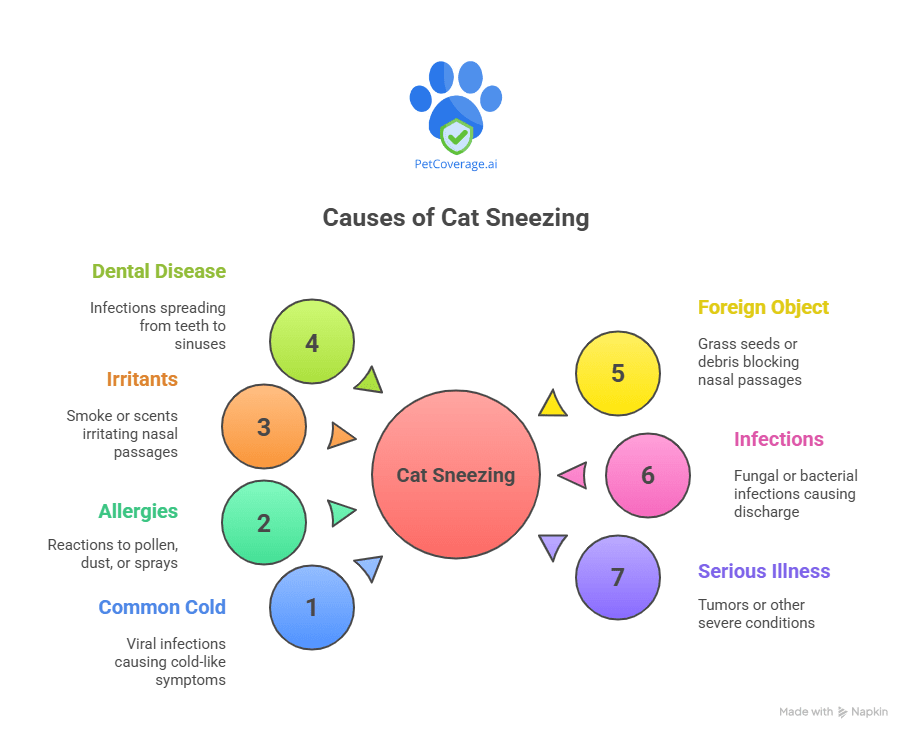
4. Dental Problems
Dental infections can extend into the sinus cavities in cats. According to the Cornell Feline Health Center, advanced dental disease can present with nasal symptoms, including unilateral sneezing.
Associated signs may include:
Bad breath
Drooling or difficulty eating
Nasal discharge from one nostril
A veterinarian can assess dental health and determine whether dental cleaning or extraction is required. Feline dental procedures commonly range from $300–$1,200, depending on severity and anesthesia needs.
5. Foreign Objects or Nasal Blockage
Sudden onset sneezing—especially from one nostril—may indicate a foreign body lodged in the nasal passage.
Signs may include:
Sudden sneezing fits
Pawing at the nose or face
Noisy or uneven breathing
A veterinarian may recommend sedation and imaging to safely locate and remove the obstruction. Attempting removal at home can worsen injury and is not advised.
6. Fungal or Bacterial Infections
Chronic sneezing with thick, discolored discharge may indicate infection. The Merck Veterinary Manual identifies Cryptococcus as a notable fungal cause of nasal disease in cats.
Possible symptoms include:
Thick yellow or bloody discharge
Facial swelling
Nosebleeds
Your veterinarian can confirm diagnosis through laboratory testing and imaging. Treatment often requires long-term antifungal therapy and monitoring. Total costs for fungal infections commonly range from $1,000–$3,000, depending on duration and response to treatment.
7. Serious Illness or Tumors
Although uncommon, structural disease should be considered when sneezing is persistent and progressive. The Cornell Feline Health Center estimates that nasal tumors account for approximately 1–2% of all feline cancers, with sneezing often among the earliest signs.
Warning signs include:
Sneezing with blood
Facial swelling or deformity
Difficulty breathing
A veterinarian can determine whether advanced imaging, biopsy, or referral to a specialist is appropriate.
When Sneezing Means “Emergency”
Seek urgent veterinary care if sneezing is accompanied by:
Blood from the nose
Refusal to eat or drink
Open-mouth or labored breathing
Facial swelling or deformity
Early evaluation improves outcomes and helps prevent complications.
Real-Life Example: Luna’s Story
The following is an illustrative example and does not represent typical outcomes or costs.
Luna, a 7-year-old indoor cat, began sneezing daily. Initially thought to be dust-related, her symptoms progressed to appetite loss. Veterinary evaluation revealed a sinus infection secondary to dental disease, requiring tooth extraction and antibiotics. Total care costs reached $2,100.
Because her owner had reviewed insurance coverage in advance, treatment decisions were based on medical need—not financial uncertainty.
Frequently Asked Questions (FAQs)
1. Why is my cat sneezing a lot but acting normal?
Occasional sneezing can result from mild irritation. Persistent sneezing warrants veterinary evaluation to rule out infection or dental disease.
2. Can cat sneezing spread to humans?
Most feline respiratory infections are species-specific. Basic hygiene is recommended, particularly when fungal infections are suspected.
3. How long is too long for a cat to sneeze a lot?
Sneezing that lasts longer than 5–7 days or worsens over time should be evaluated by a veterinarian.
Key Takeaways
Even something as simple as a sneeze can be your cat’s way of signaling distress. Acting quickly, and being financially prepared, can make all the difference when your Cat sneezing a lot. Here’s a quick recap of what we’ve learned:
Respond early. Persistent sneezing isn’t just dust or allergies, it could be infection or dental trouble. Early vet visits prevent bigger problems later.
Watch for warning signs. Blood, swelling, or appetite loss mean it’s time for urgent medical attention. These symptoms can escalate fast if ignored.
Protect your finances before emergencies. Vet visits, imaging, and treatments can get expensive. At PetCoverage.ai, you can compare plans, review your coverage, and make sure your cat’s care is always within reach, without financial stress.
Your cat depends on you to notice the little things. With the right pet insurance, you can focus on their comfort and recovery, not the costs.
To stay up-to-date on pet insurance tips, wellness insights, and helpful guides, follow PetCoverage.ai on our social media pages: Facebook, Instagram, TikTok, and LinkedIn.