This article is for informational purposes only and is not a substitute for professional veterinary advice.
Many dog owners wonder whether broccoli—a nutrient-rich vegetable for humans—is also safe for pets. The short answer is yes, broccoli can be safe for dogs when served plain and in moderation, according to veterinary nutrition guidance.
At PetCoverage.ai, we focus on helping pet parents understand everyday safety decisions while staying financially prepared for unexpected veterinary care. Knowing which foods are safe—and which can trigger emergencies—helps reduce avoidable risks.
Below, we explain broccoli for dogs, including nutritional value, potential risks, and vet-supported feeding considerations.
Is Broccoli Safe for Dogs?
Veterinary sources, including the Merck Veterinary Manual, indicates that plain broccoli is generally safe for dogs when fed in small amounts.
Broccoli is low in fat and calories and contains fiber and vitamin C. However, it also contains isothiocyanates, naturally occurring compounds that may cause gastrointestinal irritation—such as gas or stomach discomfort—if dogs consume large quantities.
Veterinarians generally recommend that treats, including vegetables, make up no more than 10% of a dog’s daily caloric intake. If a dog experiences vomiting, diarrhea, or bloating after eating broccoli, a veterinarian may advise avoiding it altogether.
Nutritional Benefits of Broccoli for Dogs
When offered occasionally and prepared correctly, broccoli may provide modest benefits:
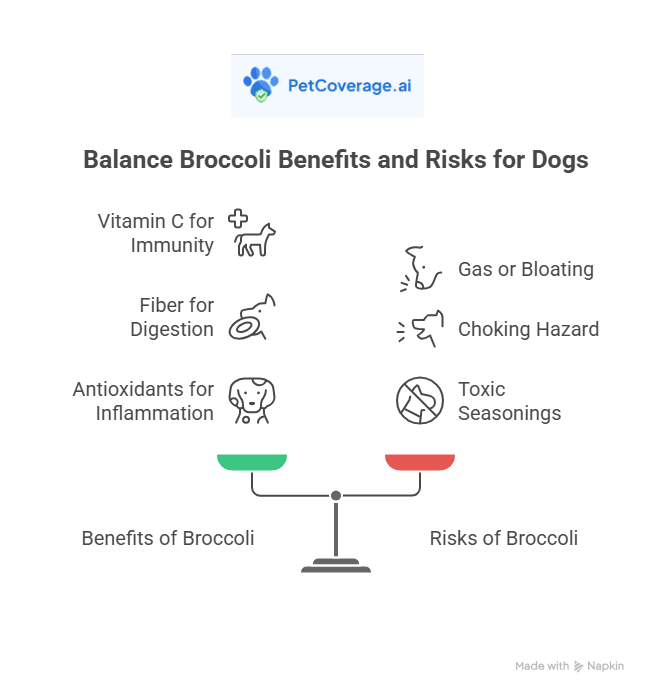
Vitamin C to support immune function
Fiber to aid digestion and bowel regularity
Antioxidants that help support overall wellness
Low fat content, making it suitable as an occasional snack for dogs managing weight
Veterinary nutrition authorities note that commercially formulated dog food already provides complete and balanced nutrition, so vegetables like broccoli should remain a supplemental treat—not a dietary staple.
Potential Risks of Feeding Broccoli to Dogs
While broccoli can be nutritious, there are also risks if it is fed incorrectly or in excess.
1. Digestive Upset
Broccoli florets contain isothiocyanates, which veterinary references note may cause gas or mild gastrointestinal discomfort if consumed in excess.
2. Choking Hazard
Broccoli stems are dense and fibrous. Veterinarians often advise cutting broccoli into small, bite-sized pieces, especially for small dogs or fast eaters.
3. Dangerous Seasonings
Broccoli prepared with garlic or onions is unsafe. According to the ASPCA Animal Poison Control Center, garlic and onions can damage red blood cells in dogs and lead to serious complications. Butter, oils, and heavy fats may also trigger digestive upset or pancreatitis.
If a dog ingests seasoned broccoli, contact a veterinarian or the ASPCA Animal Poison Control Center immediately.
How to Safely Serve Broccoli
Veterinarians may advise the following precautions when offering broccoli as a dog treat:
Wash thoroughly to remove dirt and pesticides
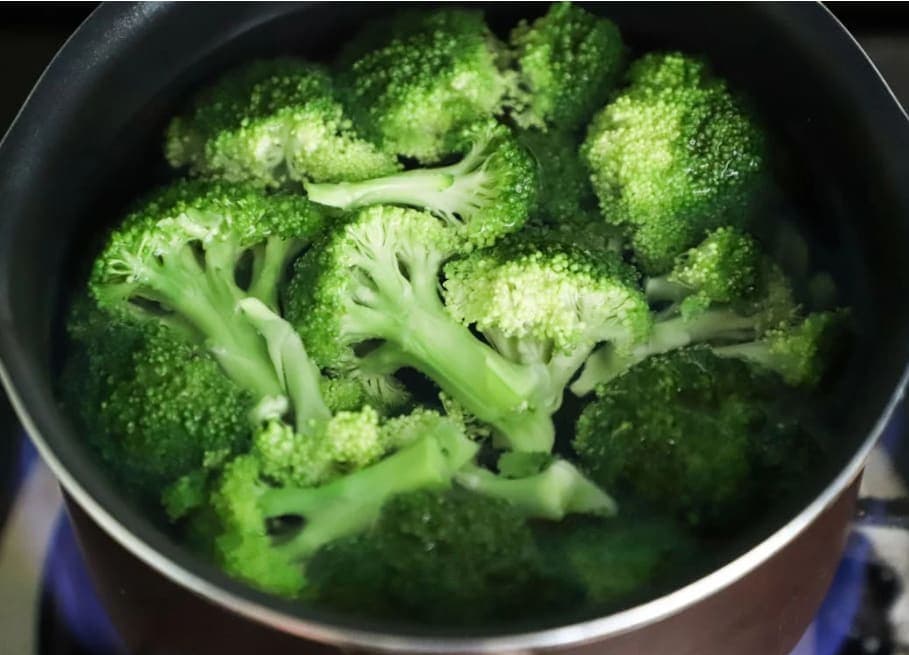
Steam or boil lightly to soften texture
Cut into small portions appropriate for the dog’s size
Serve plain—no salt, oil, butter, garlic, or onion
Start with one or two small pieces to assess tolerance
For dogs that gulp food quickly, mashing broccoli and mixing it with regular food may help reduce choking risk.
Special Considerations
Extra caution is recommended for:
Puppies, whose digestive systems are still developing
Dogs with sensitive stomachs, who may react even to small amounts
Dogs on prescription diets, where added foods may disrupt nutritional balance
A veterinarian can help determine whether broccoli is appropriate based on a dog’s individual health needs.
When a “Healthy Snack” Becomes a Health Risk
Human foods are a leading cause of pet poisoning incidents. According to the ASPCA, human foods account for roughly 16% of reported toxic exposures in pets, often due to unsafe ingredients like garlic or onions.
Emergency treatment for food-related illness can be costly. Pet insurance helps with unexpected veterinary expenses—but insurance never replaces urgent medical care. Immediate veterinary attention should always come first in suspected toxicity cases.
When to Call a Veterinarian
Contact a veterinarian or animal poison control right away if a dog shows:
Choking, gagging, or difficulty swallowing
Repeated vomiting or diarrhea
Bloating, abdominal pain, or excessive gas
Ingestion of broccoli cooked with garlic, onions, butter, or oil
Prompt care can prevent more serious complications.
Broccoli Do’s and Don’ts
Do:
✔ Serve lightly cooked
✔ Cut into small pieces
✔ Feed in moderation
Don’t:
✖ Add seasonings or fats
✖ Feed large or raw stems to small dogs
✖ Exceed recommended treat limits
Frequently Asked Questions (FAQs)
Can dogs eat raw broccoli?
Raw broccoli is not toxic, but veterinarians often suggest cooking it to reduce choking risk and improve digestibility.
Are broccoli stems safe for dogs?
Yes, if cooked and cut small. Raw stems may pose a choking hazard.
Can dogs eat broccoli every day?
No. Broccoli is best offered occasionally, not daily.
What if a dog eats seasoned broccoli?
Contact a veterinarian or the ASPCA Animal Poison Control Center immediately.
Can broccoli help with weight management?
It may serve as a low-calorie treat but should never replace a balanced diet and regular exercise.
Key Takeaways
In wrapping up this guide about Dogs eating Broccoli, it’s clear that broccoli can be a safe and beneficial treat when served properly. It provides valuable nutrients but must be introduced with caution to avoid digestive issues or choking hazards. Here are three key takeaways:
1. Feed in Moderation: Broccoli can be healthy for dogs when plain and limited to under 10% of their daily calorie intake.
2. Avoid Seasonings and Large Pieces: Garlic, onions, butter, and oils are toxic or harmful to dogs, and large stems pose a choking risk.
3. Always Monitor and Prepare Safely: Steam or boil lightly, chop into bite-sized portions, and watch for any signs of stomach upset.
This blog emphasized the importance of responsible feeding, proper preparation, and early awareness of potential risks. Pet parents are also encouraged to regularly review their pet insurance coverage to stay financially prepared for emergencies.
To stay up-to-date on pet care tips, health guidance, and coverage insights, remember to follow PetCoverage.ai on our social media channels: Facebook, Instagram, TikTok, and LinkedIn.