This article is for informational purposes only and is not a substitute for professional veterinary advice.
The holidays bring festive meals, crowded kitchens, and plenty of opportunities for pets to sneak a bite. While sharing food may feel harmless, veterinarians and animal toxicology experts consistently warn that certain holiday foods can cause serious — and sometimes life-threatening — reactions in pets.
Below is a calm, preventative guide to holiday foods pets should avoid, with clear species notes and light, authoritative attribution to trusted veterinary sources.
1. Chocolate (Dogs & Cats)
Chocolate contains theobromine and caffeine, stimulants that pets cannot metabolize efficiently. Dogs are most commonly affected, but cats are also vulnerable.
Possible symptoms may include:
Vomiting or diarrhea
Restlessness or rapid breathing
Elevated heart rate
Tremors or seizures in severe cases
Veterinary toxicology resources from the ASPCA Animal Poison Control Center consistently list chocolate among the most frequent pet toxins reported during holidays.
Note: Even small amounts may cause problems, particularly dark or baking chocolate.
2. Turkey Bones & Fat Trimmings (Dogs & Cats)
Cooked poultry bones can splinter, increasing the risk of choking or internal injury. Fatty trimmings and skin may irritate the digestive system and are associated with pancreatitis, a painful inflammatory condition.
Veterinarians generally caution that rich, fatty foods — especially when eaten suddenly — may increase pancreatitis risk, particularly in dogs.
3. Onions, Garlic & Chives (Dogs & Cats — Higher Risk in Cats)
Members of the Allium family (onions, garlic, leeks, chives) are toxic in raw, cooked, powdered, or dehydrated forms.
According to ASPCA, ingestion of Allium plants may damage red blood cells and can lead to Heinz body hemolytic anemia, with cats considered especially sensitive.
Signs may include:
Weakness or lethargy
Pale gums
Rapid heart rate
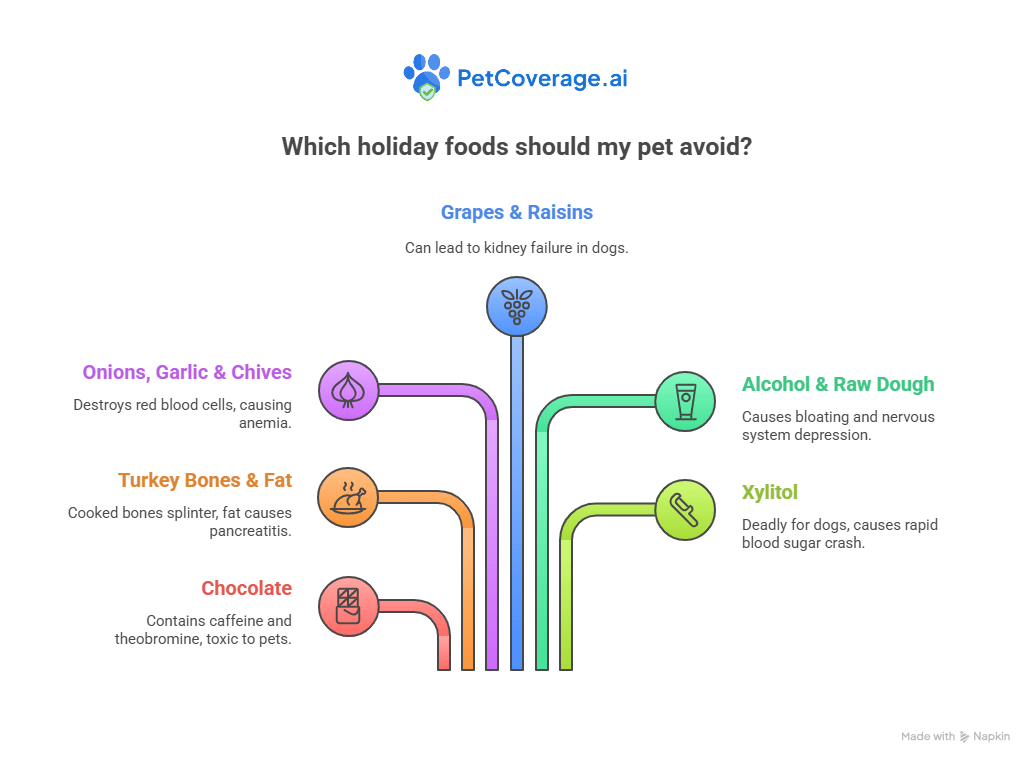
4. Grapes, Raisins & Fruitcake (Dogs Only)
Grapes and raisins are toxic to dogs and have been linked to acute kidney failure. The exact toxic mechanism is still under investigation, which means no safe amount has been established.
The ASPCA Animal Poison Control Center advises immediate veterinary attention if ingestion is suspected — even if symptoms are not yet visible.
5. Alcohol & Raw Dough (Dogs & Cats)
Alcoholic beverages and foods containing alcohol can depress the central nervous system. Raw yeast dough poses an additional risk because it may expand in the stomach and produce ethanol as it ferments.
Veterinary emergency references, including the Merck Veterinary Manual, note that these exposures may lead to:
Disorientation
Vomiting or bloating
Low body temperature
Respiratory distress in severe cases
6. Xylitol (Dogs Only)
Xylitol is a sugar substitute found in sugar-free desserts, gums, and baked goods. In dogs, it may cause rapid hypoglycemia and has been associated with acute liver failure.
Both the ASPCA Animal Poison Control Center and the U.S. Food and Drug Administration list xylitol as a high-risk exposure for dogs.
Important: Xylitol toxicity is a dog-specific concern; cats do not appear to be affected in the same way.
7. Rich Gravies, Buttery Sides & Cheese Platters (Dogs & Cats)
High-fat foods can overwhelm a pet’s digestive system. While not always toxic, overconsumption may result in vomiting, diarrhea, bloating, or pancreatitis — particularly in dogs with a prior history of digestive sensitivity.
Veterinarians generally recommend keeping treats minimal and offering plain, unseasoned alternatives if sharing food at all.
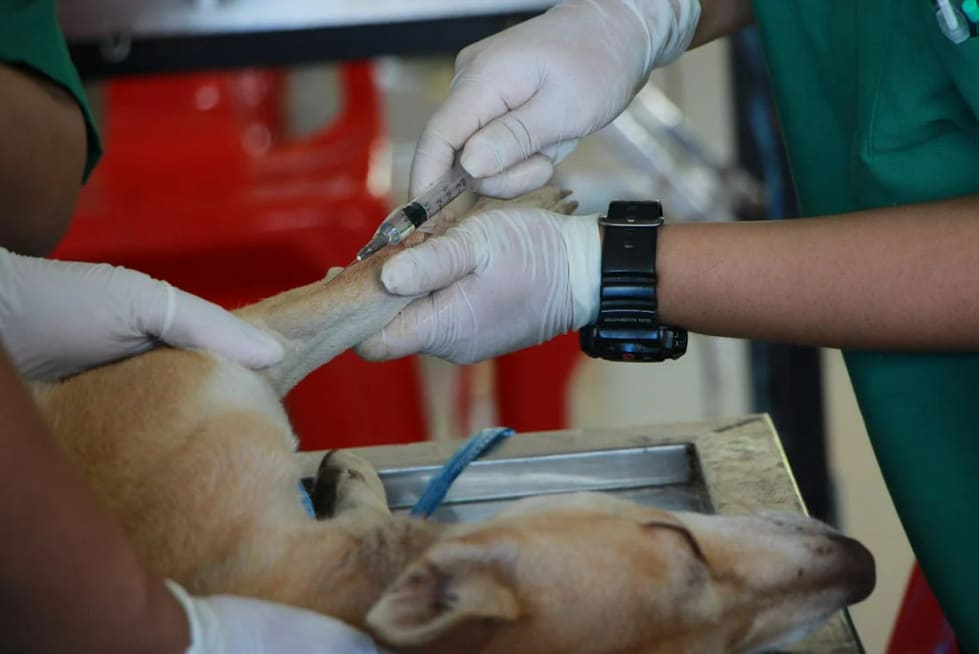
When to Act
If your pet eats any of the foods above — or you’re unsure what they consumed — contact your veterinarian immediately or call the ASPCA Animal Poison Control Center (888-426-4435). Prompt guidance can significantly affect outcomes.
Where PetCoverage.ai Fits
Food-related emergencies often happen during holidays, when clinics may have limited hours or higher emergency fees. PetCoverage.ai helps pet owners review existing insurance coverage and compare policies so emergency care decisions are never delayed by financial uncertainty.
Insurance review should never replace immediate veterinary care.
Key Takeaways
In wrapping up our guide on holiday foods your pet should never eat, remember that even one bite of the wrong treat can turn a joyful celebration into an emergency vet visit.
See the signal early: Vomiting, lethargy, or bloating after festive foods means it’s time to act fast.
Know the hidden dangers: Chocolate, grapes, onions, and fatty scraps are among the biggest holiday culprits.
Be covered ahead of crisis: Use PetCoverage.ai to review your plan, compare policies, and spot exclusions before the holidays hit.
We’ve seen how simple kitchen moments can become costly emergencies, but with awareness and preparation, your furry friend can stay safe all season long.
Ready to protect your pet and your peace of mind? Visit PetCoverage.ai now and start your free holiday policy review today.