This article is for informational purposes only and is not a substitute for professional veterinary advice.
Have you ever dropped a cashew on the floor and watched your dog sprint toward it like it’s the greatest treasure on earth?
It’s adorable — until the worry hits: Are cashews actually safe for dogs?
Many pet parents ask this question during holidays, movie nights, and snack breaks. While sharing food feels harmless, even small treats can sometimes lead to unexpected digestive issues.
Here’s a clear, veterinarian-informed look at feeding cashews to dogs — what’s generally considered safe, what’s risky, and when cashews are best avoided altogether.
Are Cashews Safe for Dogs? Yes… But Only in Very Small Amounts
Yes — but only in very small amounts and only for some dogs.
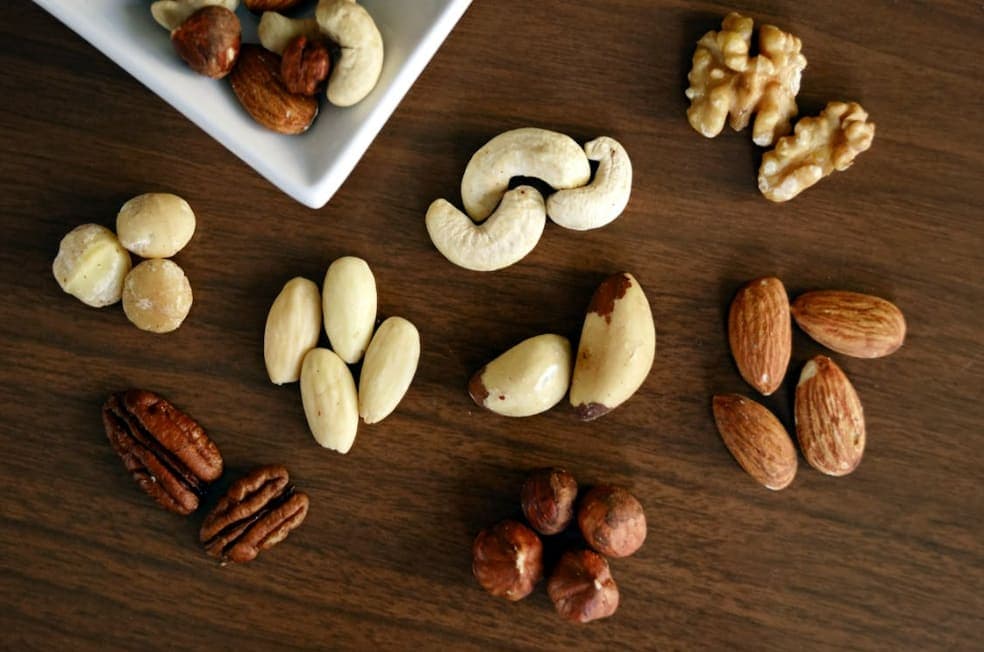
According to guidance commonly cited by veterinary authorities such as the American Kennel Club and PetMD, cashews are not toxic to dogs. However, they are:
High in fat
Calorie-dense
Easy to overfeed
Often seasoned or mixed with unsafe nuts
Veterinarians generally caution that high-fat foods can trigger digestive upset and, in some dogs, pancreatitis — a painful inflammatory condition of the pancreas described in the Merck Veterinary Manual.
So while a plain cashew is not poisonous, cashews are considered a higher-risk treat, not an everyday snack.
Important Clarification: Cashews vs. Macadamia Nuts
This distinction matters.
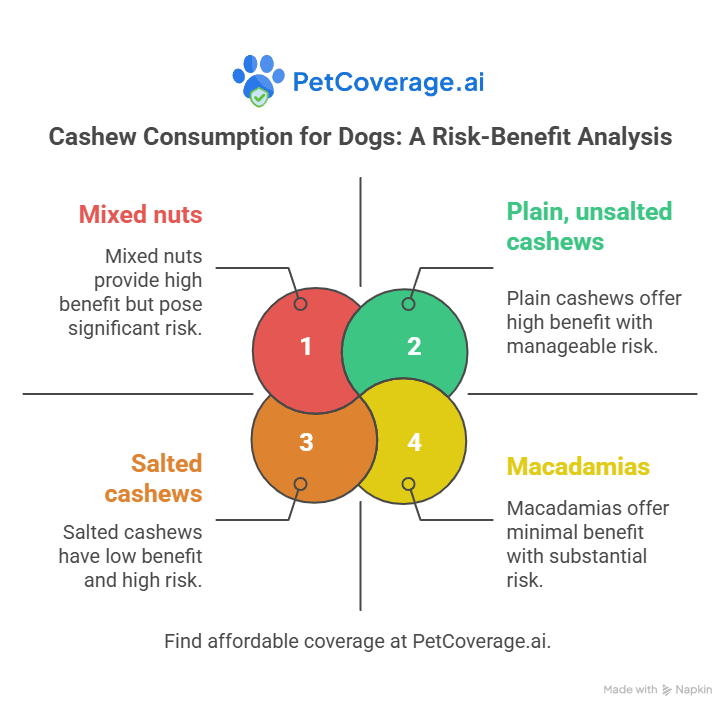
Cashews are not toxic to dogs
Macadamia nuts are toxic to dogs
Macadamia nut ingestion can cause weakness, tremors, vomiting, and fever, according to veterinary toxicology references cited by the MSD Manual Veterinary.
Because mixed nut bowls often contain macadamias, dogs should never be given mixed nuts, even if most of them are cashews.
Why High-Fat Foods Are a Concern for Dogs
Veterinary sources consistently note that dietary fat is a known risk factor for pancreatitis, particularly in dogs that:
Have had pancreatitis before
Are overweight
Are fed table scraps or rich treats
Have underlying digestive sensitivities
Veterinary nutrition guidelines often recommend low-fat diets for dogs with a history of pancreatitis. These recommendations are commonly described as under ~20% fat on a metabolizable energy (ME) basis, though exact targets vary by dog and must be determined by a veterinarian.
This is why even a food that seems harmless — like cashews — may pose a greater risk for certain dogs.
How Many Cashews Can Dogs Have?
Rather than fixed rules, veterinarians emphasize individual tolerance.
In general terms, many dogs may tolerate:
Small dogs: a tiny piece or one cashew on rare occasions
Medium dogs: one or two cashews occasionally
Large dogs: a few cashews infrequently
These are not universal recommendations. Tolerance varies based on size, age, health history, and overall diet.
Key safety rules:
Offer only plain, unsalted cashews
Treats should make up no more than ~10% of daily calories, per general veterinary nutrition guidance
Cashews should be occasional, not routine
If your dog has any medical conditions, your veterinarian may advise avoiding cashews entirely.
When Dogs Should Not Eat Cashews
Cashews are best avoided if your dog:
Has a history of pancreatitis
Is overweight or obese
Eats a prescription or low-fat veterinary diet
Has known food sensitivities
Veterinarians frequently cite high-fat treats as a contributor to sudden digestive flare-ups and emergency visits.
An Illustrative Case Example (Not Typical)
In 2024, a dog owner shared a story on Reddit describing how her 25-lb beagle consumed a large quantity of mixed nuts — mostly cashews — during a family gathering.
By the next day, the dog developed vomiting, abdominal discomfort, and lethargy. An emergency veterinarian diagnosed acute pancreatitis, which was suspected to be related to the high fat intake. Treatment costs were reported by the owner to be approximately $2,700.
This anecdote is illustrative only. Outcomes, causes, and costs vary widely depending on severity, location, and the dog’s health.
Veterinary sources note that pancreatitis treatment can range from a few hundred dollars to several thousand in severe cases, depending on hospitalization, diagnostics, and complications.
Do Cashews Have Any Benefits for Dogs?
Cashews contain nutrients such as:
Healthy fats
Protein
Fiber
Minerals like magnesium
However, dogs can obtain these nutrients from far safer, lower-fat foods formulated specifically for canine health.
Because of the fat content, cashews are best viewed as an optional, rare treat, not a nutritional supplement.
When to Call a Veterinarian
Contact your veterinarian if your dog eats:
A large amount of cashews
Salted, flavored, or chocolate-covered cashews
Cashews from a mixed nut container
Cashews and then shows symptoms such as:
Repeated vomiting
Abdominal pain or bloating
Lethargy
Trembling or heavy panting
Refusal to eat
These signs may indicate pancreatitis or another gastrointestinal emergency.
Introducing Cashews Safely (If You Choose To)
If your veterinarian has not advised against it, you can reduce risk by:
Choosing plain, unsalted cashews
Chopping into very small pieces
Offering a single piece initially
Monitoring your dog for 24 hours
Keeping treats occasional, not daily
Mixing tiny amounts into dog-safe foods (like mashed banana or a lick mat) can help limit portion size.

Frequently Asked Questions (FAQs)
1. Can dogs eat cashew butter?
Only very small amounts, and only if it's plain and unsalted. Most cashew butters are high in fat, so more than a fingertip-sized amount can cause stomach problems.
2. Are roasted cashews safe for dogs?
Yes, as long as they are plain and unsalted. Roasted is actually safer than raw because raw cashews contain natural irritants that roasting removes.
3. What should I do if my dog ate too many cashews?
Watch for vomiting, bloating, or signs of stomach pain. If your dog ate a large amount or shows symptoms, call a vet immediately.
Key Takeaways
Cashews may seem like a harmless snack, but even a few nuts can impact your dog’s digestion and overall health — especially for pet parents wondering can dogs eat cashews safely. Here’s a quick recap:
Introduce slowly: Offer only a tiny piece of a plain, unsalted cashew and watch how your dog reacts when testing whether can dogs eat cashews without issues.
Watch for warning signs: Vomiting, diarrhea, bloating, trembling, or lethargy need immediate attention if you’re unsure whether can dogs eat cashews safely in your dog’s case.
Protect finances: High-fat treats can trigger costly issues like pancreatitis. PetCoverage.ai lets you compare plans and keep your dog’s care affordable.
Your dog depends on you to recognize the small risks before they become big problems. With the right pet insurance, you focus on their comfort—not the emergency bills.
Follow PetCoverage.ai on Facebook, Instagram, TikTok, and LinkedIn for more safe feeding tips, wellness insights, and helpful guides.